

 Purpose and Profit
Join the global bottle deposit program
Fuelled by the world’s most progressive people.
What if the plastic bottle in your hand didn’t have to start from scratch? Instead of using new raw materials to make another bottle, we could recover plastic that has already been used and give it another life. That’s the basic idea behind recycled plastic. But how different is it from virgin plastic, and does choosing recycled plastic really make a difference?
What is virgin plastic?
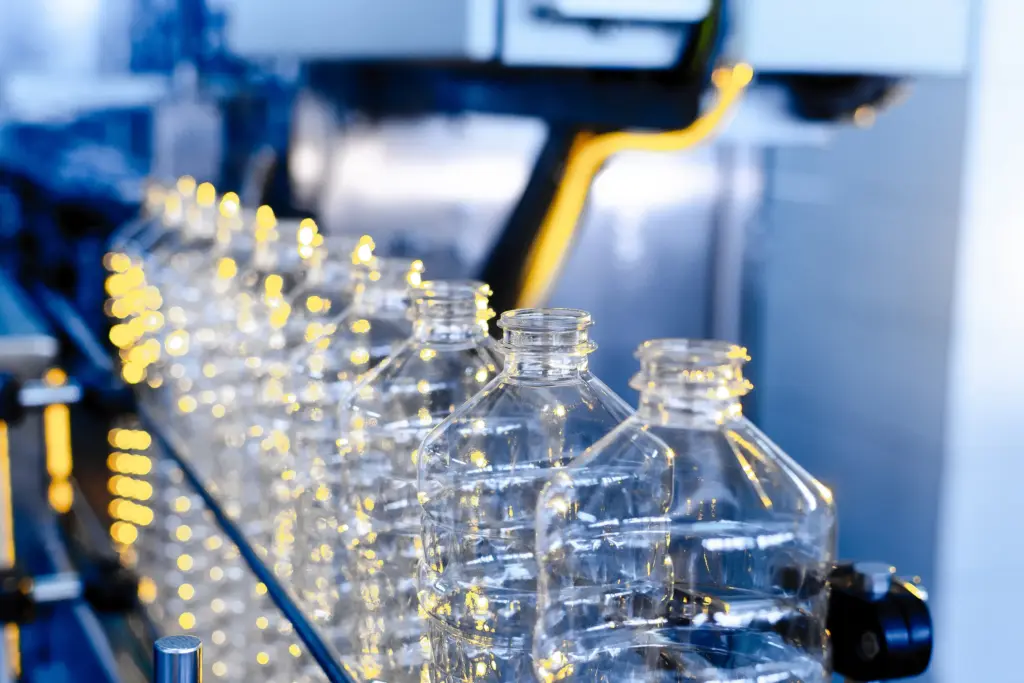
Most conventional virgin plastic is made from fossil-based raw materials, such as crude oil and natural gas. These are then processed into chemicals that are eventually used to make different types of plastic.
Virgin plastic is widely used because it is reliable and can be made to suit different products. It can be lightweight, durable, flexible, or heat-resistant, depending on what is needed.
The downside is that making it requires new raw materials, often from fossil fuels. Once it is used, it also needs to be properly managed to keep it from becoming waste and contributing to pollution.
What is recycled plastic?
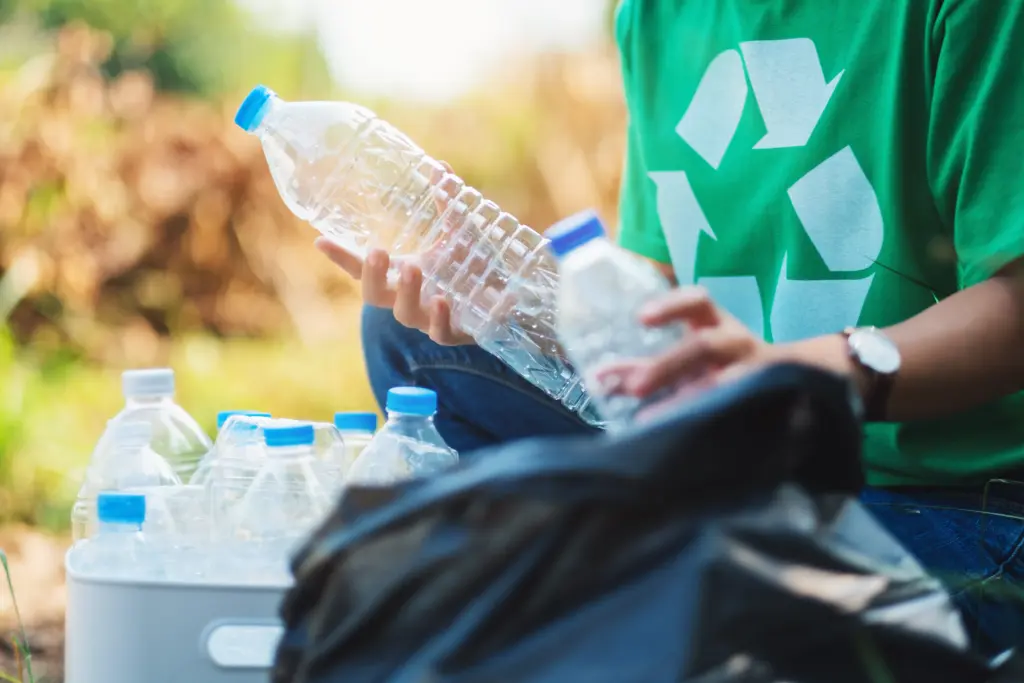
Recycled plastic is made from plastic that has already been used and collected for recycling. Instead of starting with new raw materials, recycling gives existing plastic another use.
There are two main categories of recycled plastic:
Post-consumer recycled plastic (PCR) comes from plastic products that have already been used by consumers, such as beverage bottles and other packaging.
Post-industrial recycled plastic comes from plastic waste generated during manufacturing, before products reach consumers.
For a circular economy, post-consumer recycled plastic plays an important roles because it gives used products and packaging a chance to be recovered and turned into new materials.
The process typically looks like this:
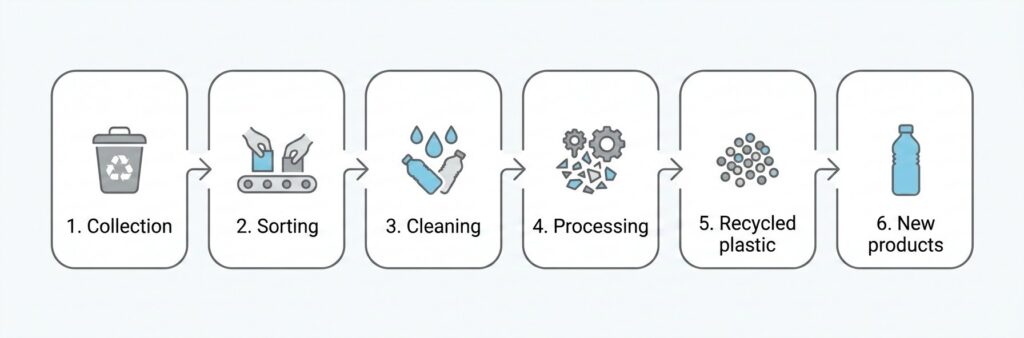
Behind the process is an entire system involving collectors, businesses and infrastructure working together to collect and recycle plastic.
Recycled plastic vs. virgin plastic: what’s the difference?
The biggest difference is where the material comes from. But other differences can also influence which material a business chooses for its products.
| Virgin Plastic | Recycled Plastic | |
| Source | Newly extracted raw materials | Previously used or recovered plastic |
| Raw material | Primarily fossil-based feedstock | Existing plastic material |
| Collection required | No | Yes |
| Material consistency | Generally highly consistent | Can vary depending on quality and processing |
| Role in circularity | Supports a linear production model | Helps keep materials in circulation |
Is recycled plastic as good as virgin plastic?
The short answer is: it depends. Recycled plastic performs very well in many cases. However, its properties vary based on the type of plastic, how well it was sorted, and the specific recycling process used.
Virgin plastic is highly consistent because it is made from raw materials. Recycled plastic has already been used before, so its properties can differ slightly. Advances in recycling technologies can also improve the quality and range of applications for recycled materials.
Some products have strict technical or legal requirements that limit the use of recycled material.2 For businesses, the focus is on finding high-quality recycled materials that meet the specific needs of their products rather than simply asking which plastic is “better.”
What are the environmental benefits of recycled plastic?
The primary benefit is that it uses existing materials. Producing virgin plastic requires new raw materials, while recycling turns recovered plastic into feedstock for new products. Producing recycled plastic can result in lower greenhouse gas emissions than producing virgin palstic, although the overall benefit depends on factors such as the type of plastic, recycling process, and energy used.1
Why does collection matter for recycling?
Many people think recycling begins when a plastic item is put in a bin. While that is a key step, it is only the start.
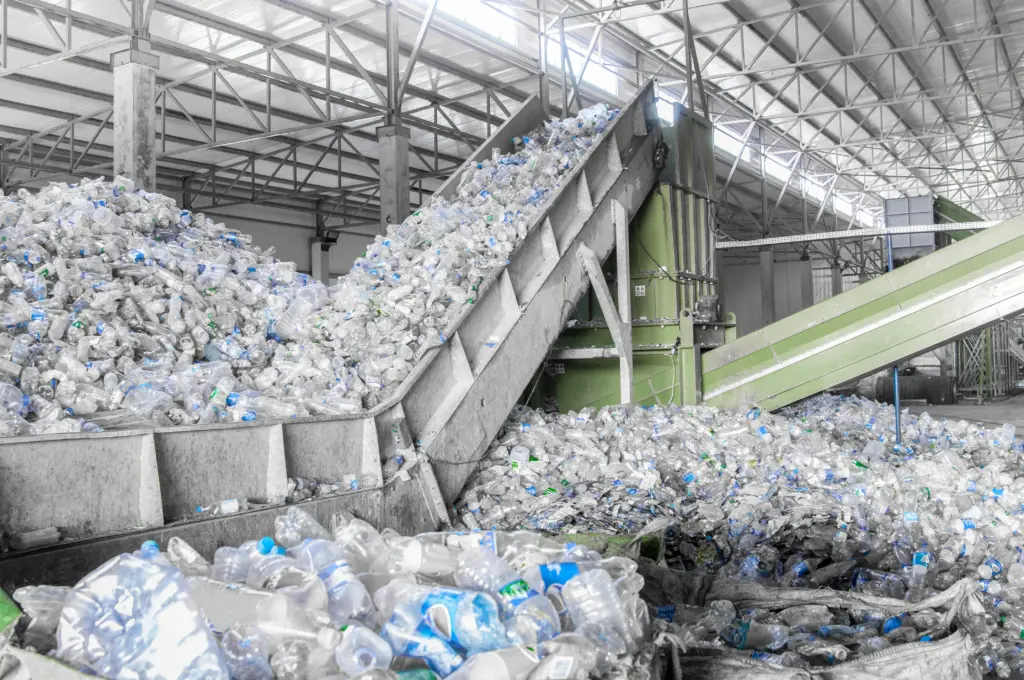
To turn used plastic into new material, it must be collected, sorted, and processed properly. If recyclables are mixed with trash or are dirty, recovery becomes difficult or impossible. Proper collection is essential, and the people who collect and sort these materials are a critical part of the process. Without reliable collection, recyclable plastic may never reach a recycling facility in the first place.
Can recycled plastic be recycled again?
Sometimes. It depends on the type of plastic, the product, and the technology available. Some plastics can be mechanically recycled more than once, although repeated processing can affect their properties and quality. Others are more difficult to recycle due to their composition, colors, or additives.
The following types are widely collected and recycled in many markets:
- PET: Commonly used for water and soda bottles or food containers. It is typically in high demand in recycling markets.
- HDPE: Used for products like shampoo and detergent bottles or milk jugs. They are durable and easy to process.
- PP: Used for food containers, bottlecaps, and straws.
This highlights the importance of designing products with their full lifecycle in mind. A circular approach focuses on:
- Can we recover this item?
- Can we process it?
- Can we use the material again?
Is recycled plastic always the better choice?
Recycled plastic offers clear environmental advantages when it replaces the need for virgin plastic. However, there is no single best material for every product. Virgin plastic is sometimes necessary to meet performance, safety, or regulatory standards.
The goal is not to eliminate virgin plastic entirely. Instead, the aim is to reduce unnecessary virgin plastic use, design products for recovery, and keep existing materials in circulation as long as possible.
Recycling is about more than the material
Recycled plastic relies on a complete system to work. It requires:
- Effective recovery of used materials.
- Proper sorting and processing facilities.
- Strong support from manufacturers, businesses, and policymakers.
Recovering plastic is only useful if there is a market for it. Demand for recycled material is a vital part of a functioning circular system.
Building a system where plastic can stay in use
Virgin and recycled plastic are two different stages in a material’s life. Virgin plastic adds new material to the economy, while recycled plastic gives used material a second life.
The more we recover and reuse, the less we rely on producing new materials. This shift requires systems that connect collection, recovery, and manufacturing. A recycling system only works when these three parts work together: plastic must be collected, it must be processed into usable recycled material, and businesses need to create demand for that material.