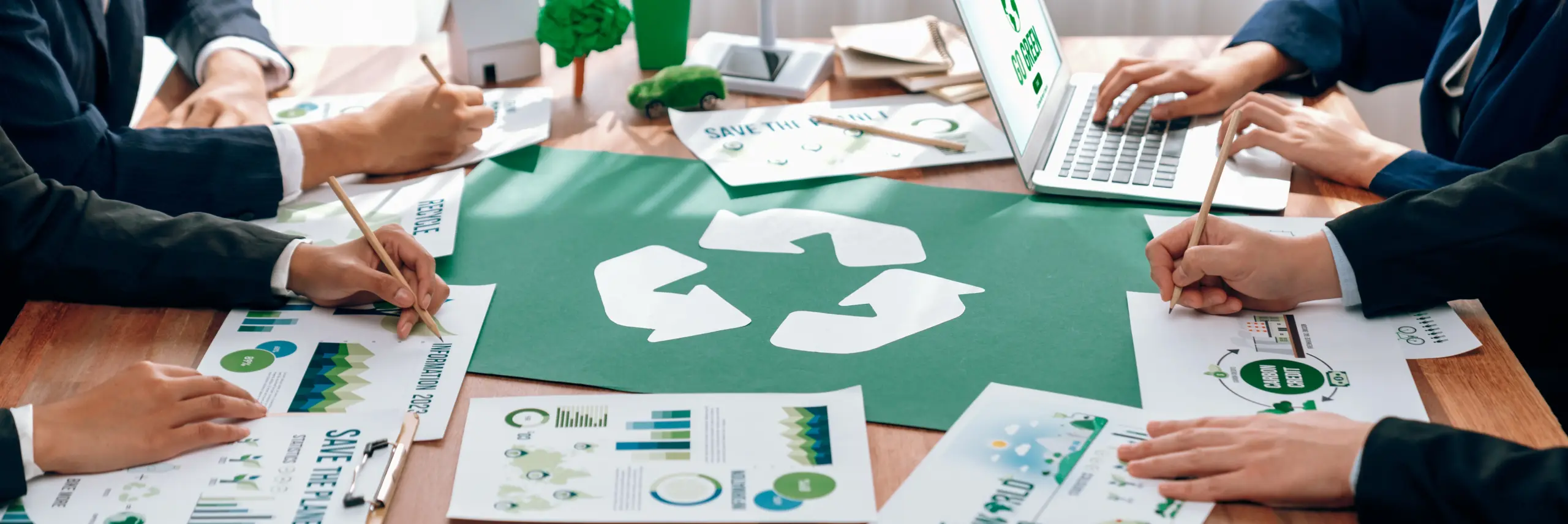
When a plastic package reaches the end of its useful life, someone still has to collect it, sort it, transport it and find a responsible way to manage it. In the Philippines, that responsibility is increasingly becoming part of doing business. This is where a producer responsibility organization comes in. But what exactly is a PRO, and what does it actually do for companies?
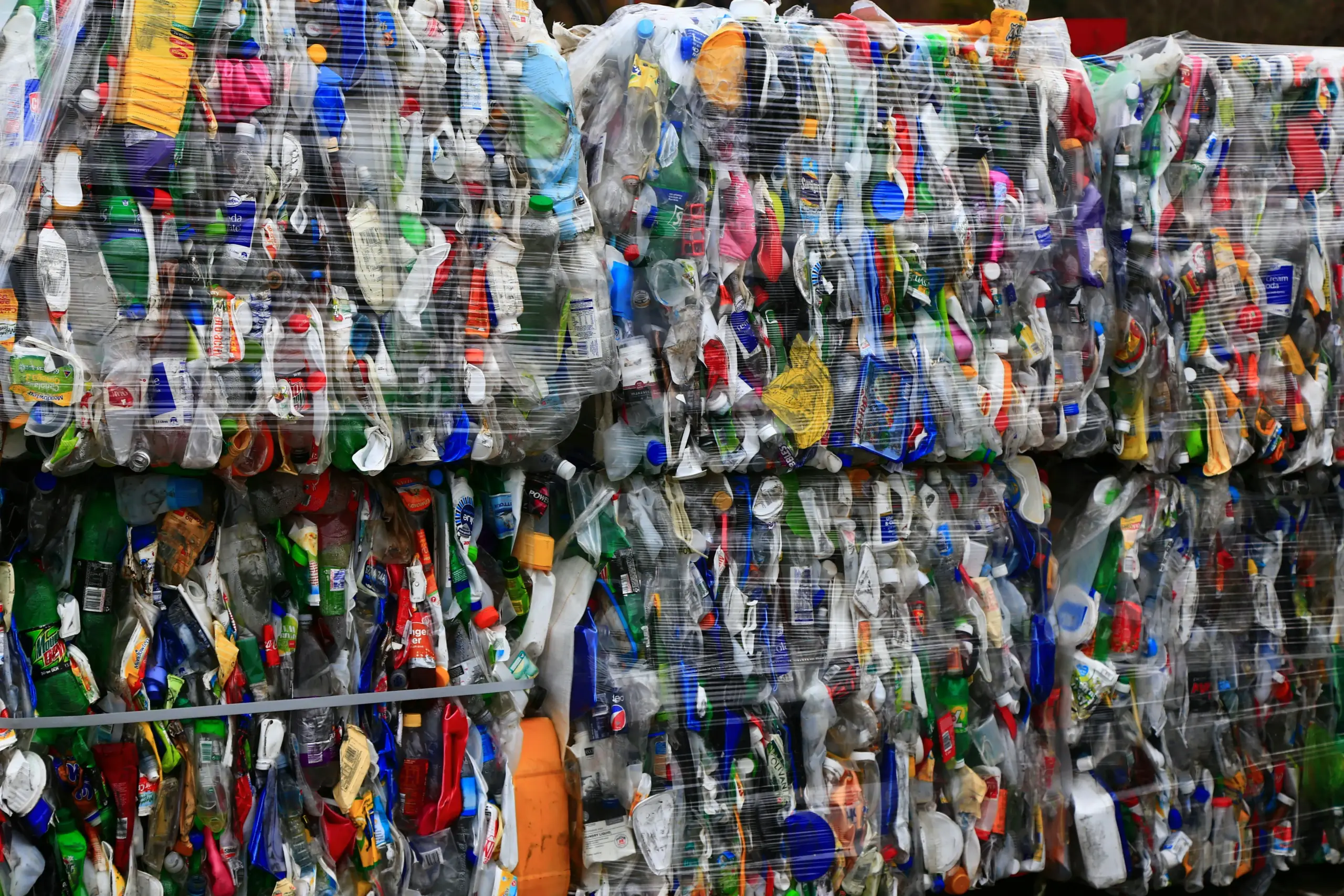
What if the plastic bottle in your hand didn't have to start from scratch? Instead of using new raw materials to make another bottle, we could recover plastic that has already been used and give it another life. That's the basic idea behind recycled plastic. But how different is it from virgin plastic, and does choosing recycled plastic really make a difference?
Every day, millions of Filipinos make choices about what they buy, use and throw away. But what happens after something is placed in a bin is easy to overlook.
A plastic bottle, food container or piece of packaging does not simply disappear when it leaves our hands. It enters a much larger system involving collection, sorting, recovery, transportation, recycling and, eventually, the return of materials into the economy. At many points along that journey are people whose work determines whether valuable materials are recovered or lost.
These are the waste workers who collect, sort, recover and manage discarded materials across the country.
Recycling is often presented as a simple choice: use the right bin, separate your waste and do your part. But in reality, making the right choice is not always that simple. A single plastic package may leave someone wondering whether it is recyclable, where it should go, or whether it will actually be recycled after collection. When the answers are unclear, even people who want to do the right thing can get it wrong. This is why a successful a recycling system needs to do more than ask people to recycle. It needs to make recycling clear, convenient and worthwhile.
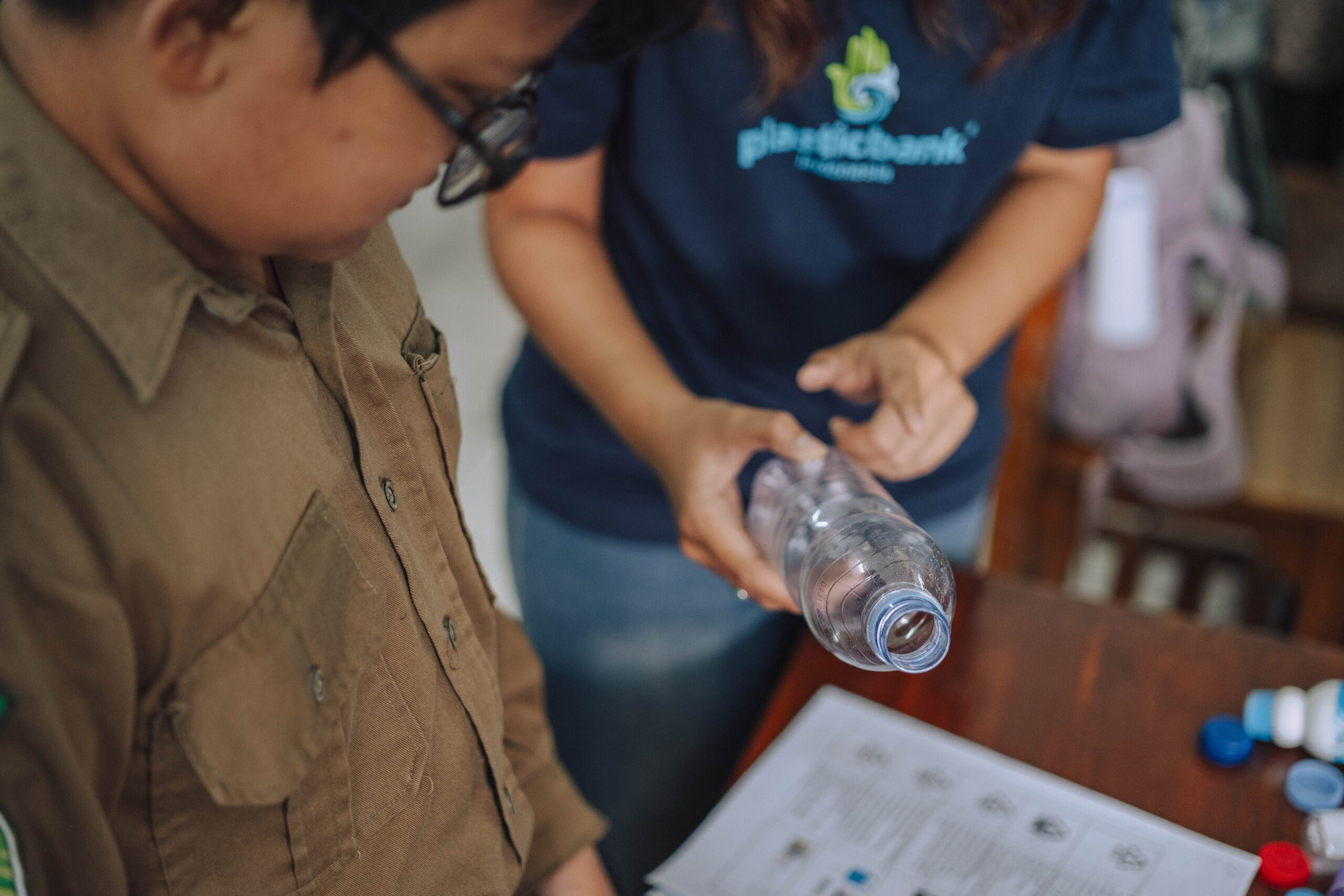
A plastic bottle doesn't become worthless the moment you throw it away.
It still has the potential to become something new, whether that's another bottle, outdoor furniture, or packaging made with recycled plastic. But that potential depends partly on what happens before it reaches a recycling facility.
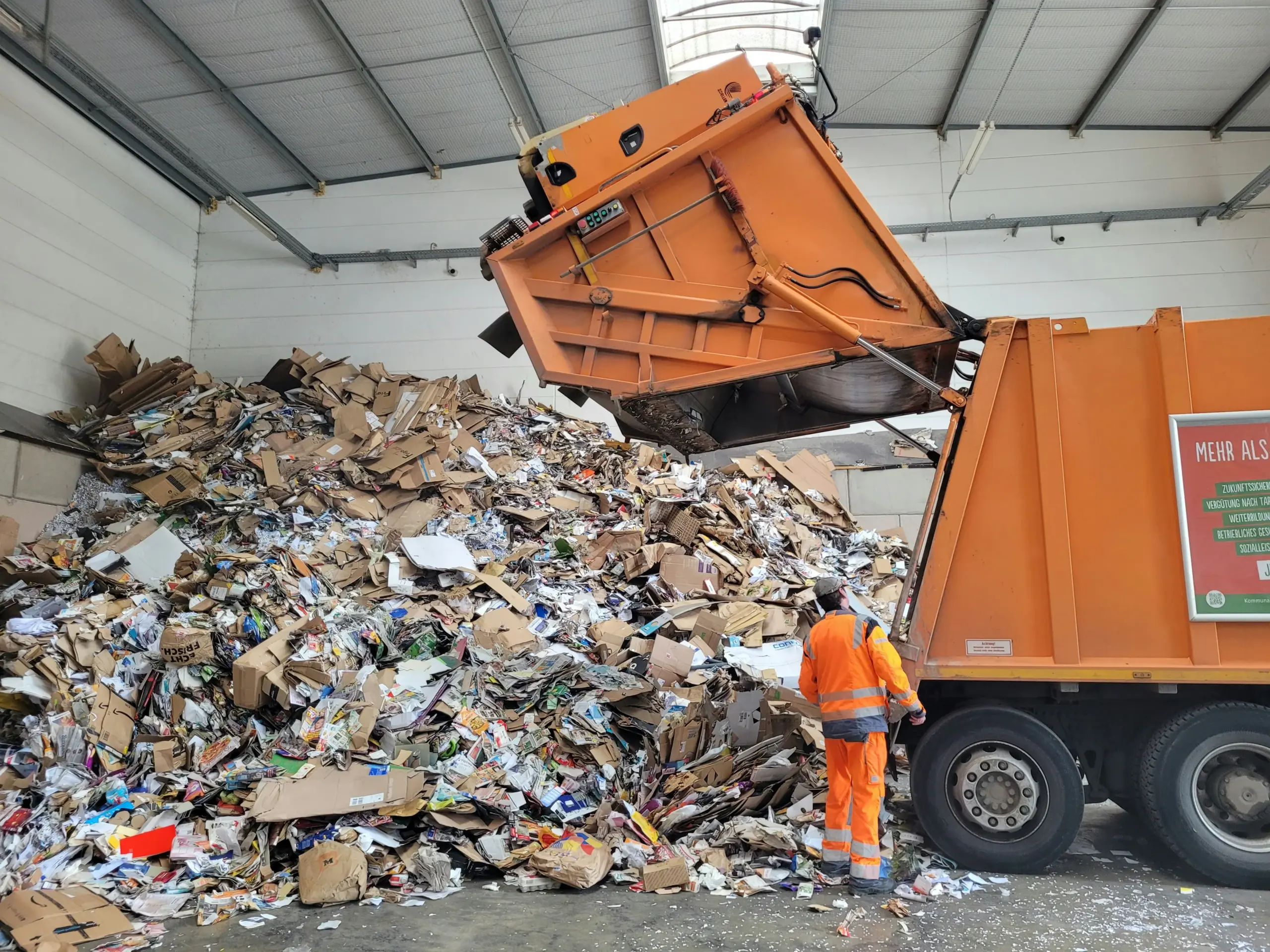
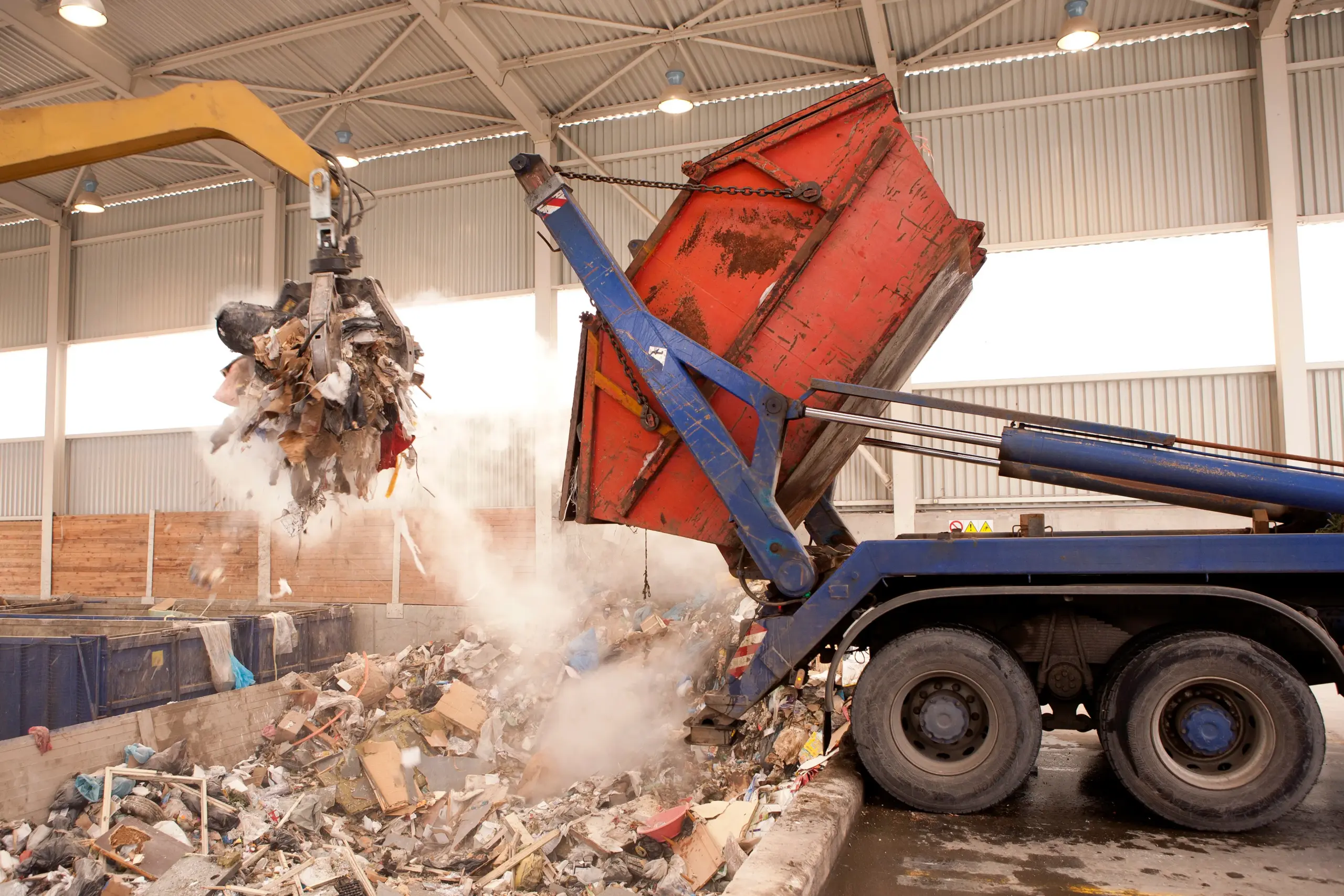
Most of us rarely think about what happens after our rubbish is collected. Once the bin is emptied or the garbage truck drives away, it's easy to assume the problem has been taken care of.
But waste doesn't disappear. It only changes location.
When waste management systems fail, the consequences can reach far beyond overflowing dumpsites. Rivers become polluted, drinking water is threatened, ecosystems are damaged, and communities lose livelihoods that depend on a healthy environment.
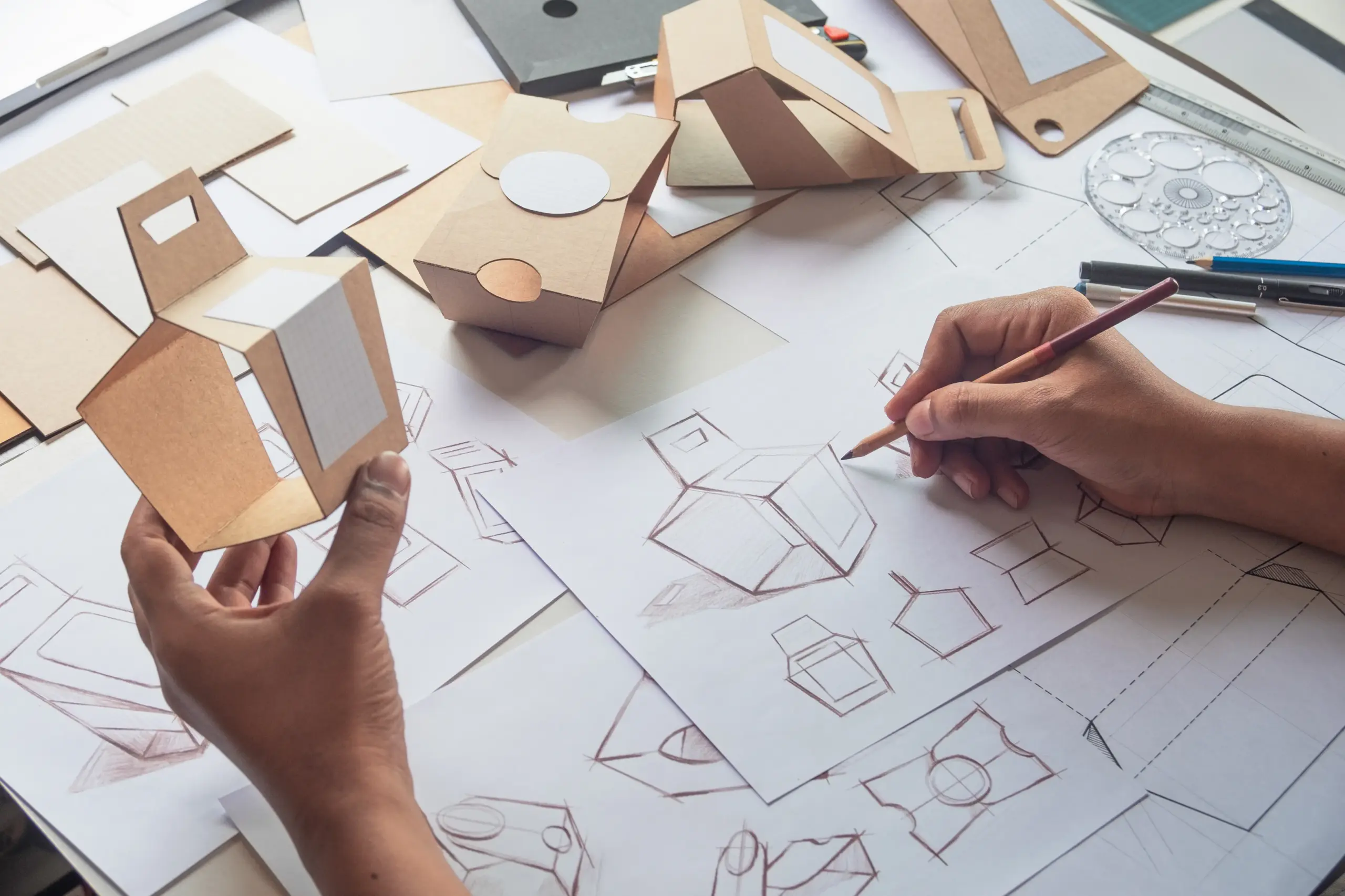
Have you ever struggled to tear apart a snack wrapper or wondered why some refill pouches can’t be recycled? Those everyday frustrations highlight one of the biggest challenges in sustainable packaging. Long before a package reaches a recycling bin, design decisions determine whether it has a realistic chance of being recycled. That’s why more companies are rethinking not just the materials they use, but how packaging is designed from the start.
Why does a tiny product sometimes arrive in a box big enough to hold three of them? It's a question many of us have asked after opening an online order. From oversized shipping boxes filled with plastic air pillows to individually wrapped products tucked inside another layer of packaging, excessive packaging has become a common part of everyday life. While some packaging is essential to protect products and prevent damage, much of it leaves consumers wondering whether all those extra materials really serve a purpose.
Plastic pollution is affecting ecosystems, wildlife, and communities around the globe at an unprecedented rate. With plastic production continuing to rise and millions of tonnes entering the environment every year, understanding its global impact is key to building a more sustainable future.
If every piece of plastic disappeared overnight, modern life would come to a standstill.
You wake up and reach for your toothbrush. You make coffee using a machine with plastic parts. You check your phone, put on your shoes, grab your reusable water bottle, and head out the door. Even if you're trying to make sustainable choices, plastic is almost impossible to avoid.
This raises an important question: can we live without plastic?
The EU Packaging rules are changing the way businesses think about packaging. Instead of focusing only on what happens after packaging becomes waste, the European Union is introducing requirements that consider the entire life cycle of packaging—from design and production to collection and recycling. The goal is to keep valuable materials in use for longer and reduce the amount of plastic that ends up in the environment.
While these rules apply in Europe, their impact will reach far beyond the region. Companies that export to the EU, multinational brands, and businesses with global supply chains will all feel the effects. The new Packaging Waste Regulations are expected to influence packaging standards worldwide, especially for flexible plastic packaging, one of the most widely used but most difficult to recycle type of packaging.
The Philippines' Extended Producer Responsibility (EPR) Act has delivered encouraging results. Since its implementation, businesses have recovered millions of kilograms of plastic waste, helping the country exceed mandated recovery targets.1
Yet despite this progress, plastic leakage remains a significant challenge. Recent discussions from the Department of Environment and Natural Resources (DENR) highlight an important reality: meeting recovery targets is only one part of building an effective circular economy.
As companies prepare for the June 30 EPR compliance deadline, understanding these challenges is becoming increasingly important.
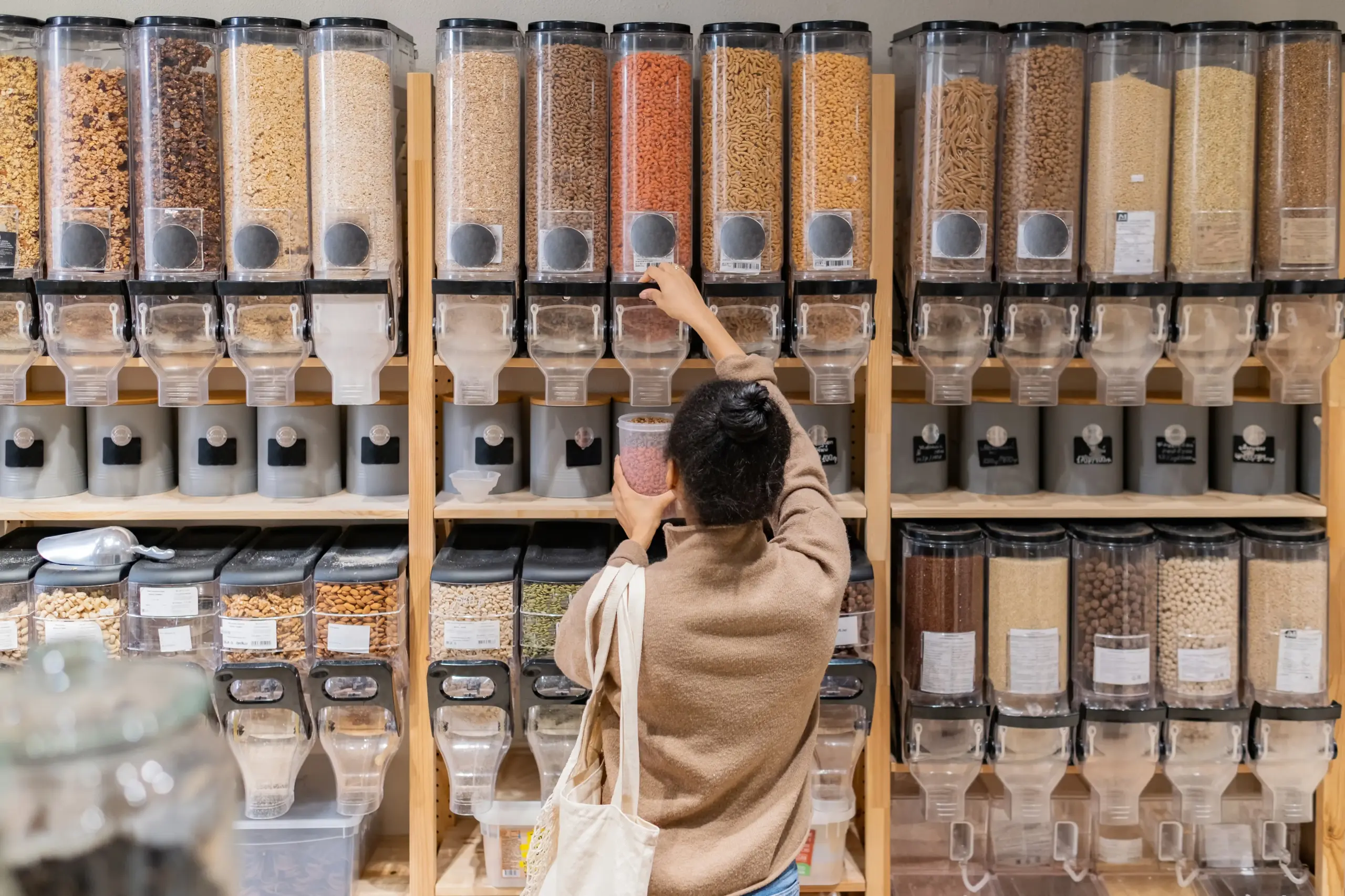
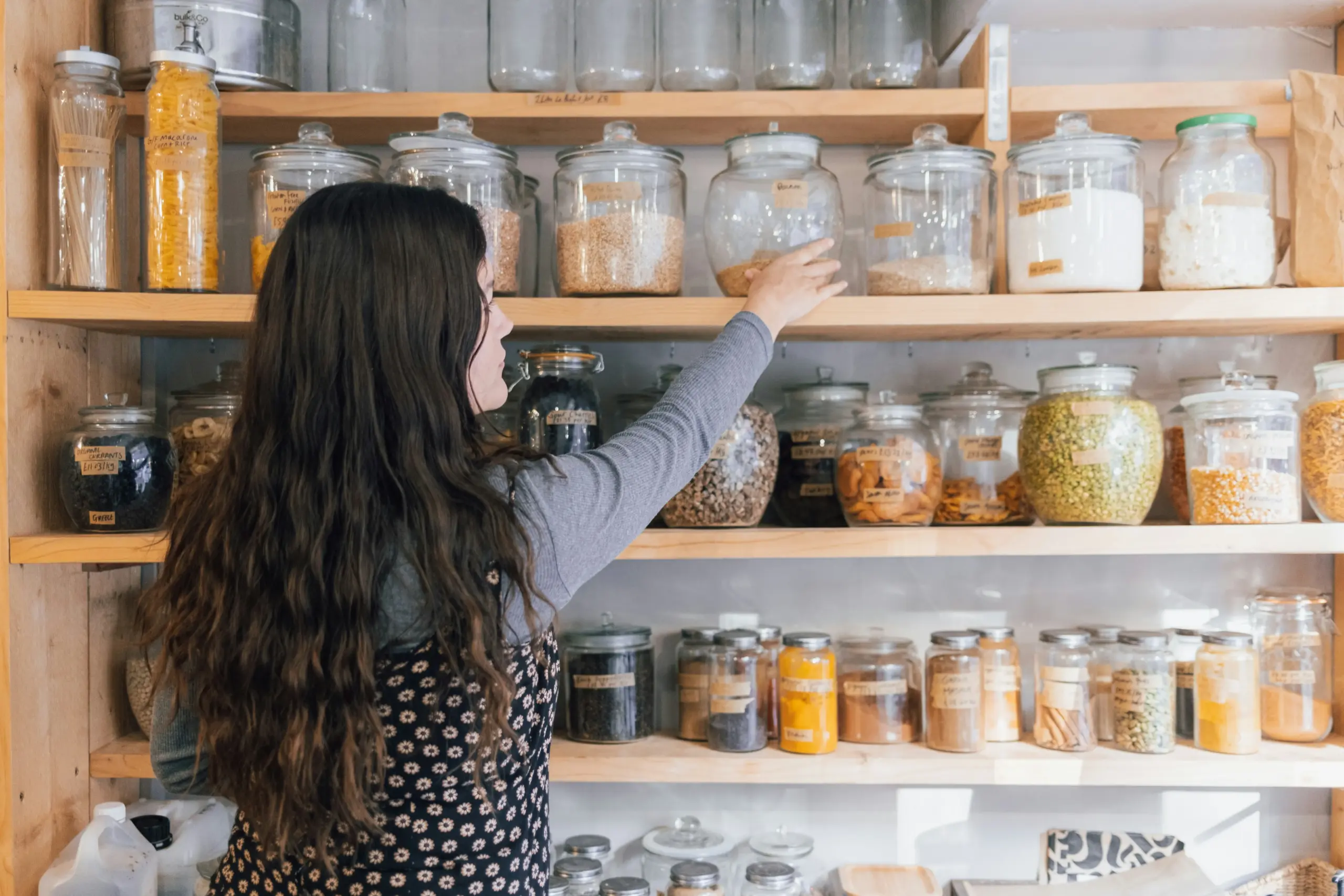
Refill stations sound like a simple idea. Instead of buying a new bottle or container every time you run out of a product, you bring back the one you already have and refill it. Whether it's laundry detergent, shampoo, cooking oil, or drinking water, the goal is to use less packaging and generate less waste.
On paper, it seems like a solution that everyone could get behind. Fewer single-use containers means fewer resources needed to make new packaging and less waste to manage afterwards.
So why don't we see refill stations on every corner?
As businesses look for ways to meet their sustainability goals and comply with environmental regulations, many are exploring new approaches to managing waste. One solution that often comes up is waste-to-energy (WtE), which turns waste into electricity or heat instead of sending it to landfills.
At first glance, the idea sounds like a win-win: less waste and more energy. But when it comes to plastic waste management and Extended Producer Responsibility (EPR), the reality is more complex. While waste-to-energy can help reduce the amount of waste that needs to be disposed of, it is not a complete solution to plastic pollution.
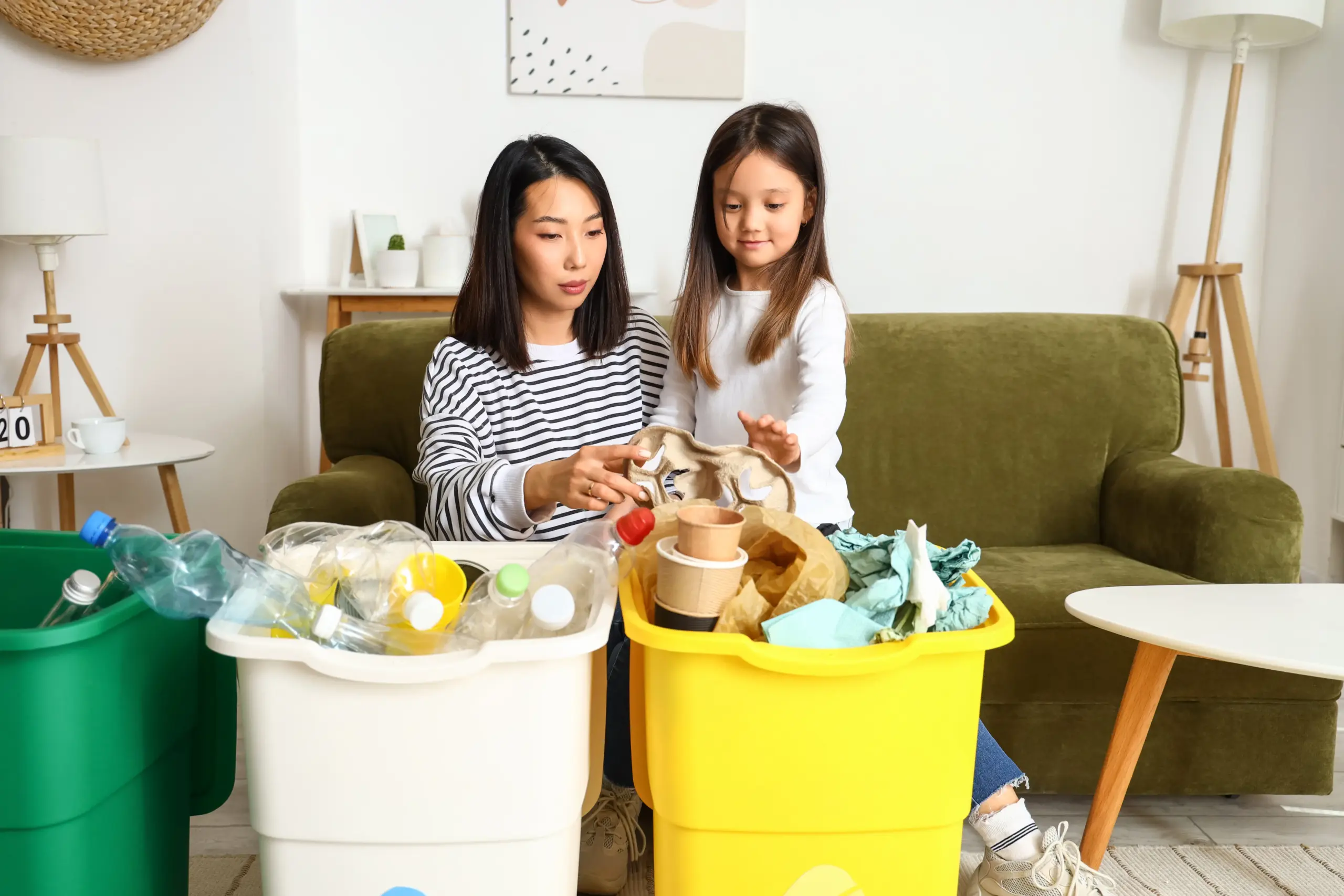
If you've ever looked at a pile of bottles, cartons, and snack wrappers and wondered whether they're recyclable, you're not alone.
Many families want to recycle more but aren't sure where to start. The good news is that you don't need a complicated system or hours of extra work. A few simple habits can make recycling part of your everyday routine.
For families participating in the Plastic Bank School Program, recycling at home can be as simple as setting aside accepted materials and bringing them to school during drop-off or pick-up. Small actions at home can add up to a meaningful impact for your school, your community, and the environment.
Schools shape more than what students know, they shape the habit they do every day. But when it comes to plastic waste, many schools face the same challenge: how do you turn awareness into consistent action?
That’s where the Plastic Bank Schools Program comes in.
Designed to be simple, rewarding, and trackable, the program helps schools transform everyday plastic waste into real environmental and social impact while empowering students to be part of the solution.
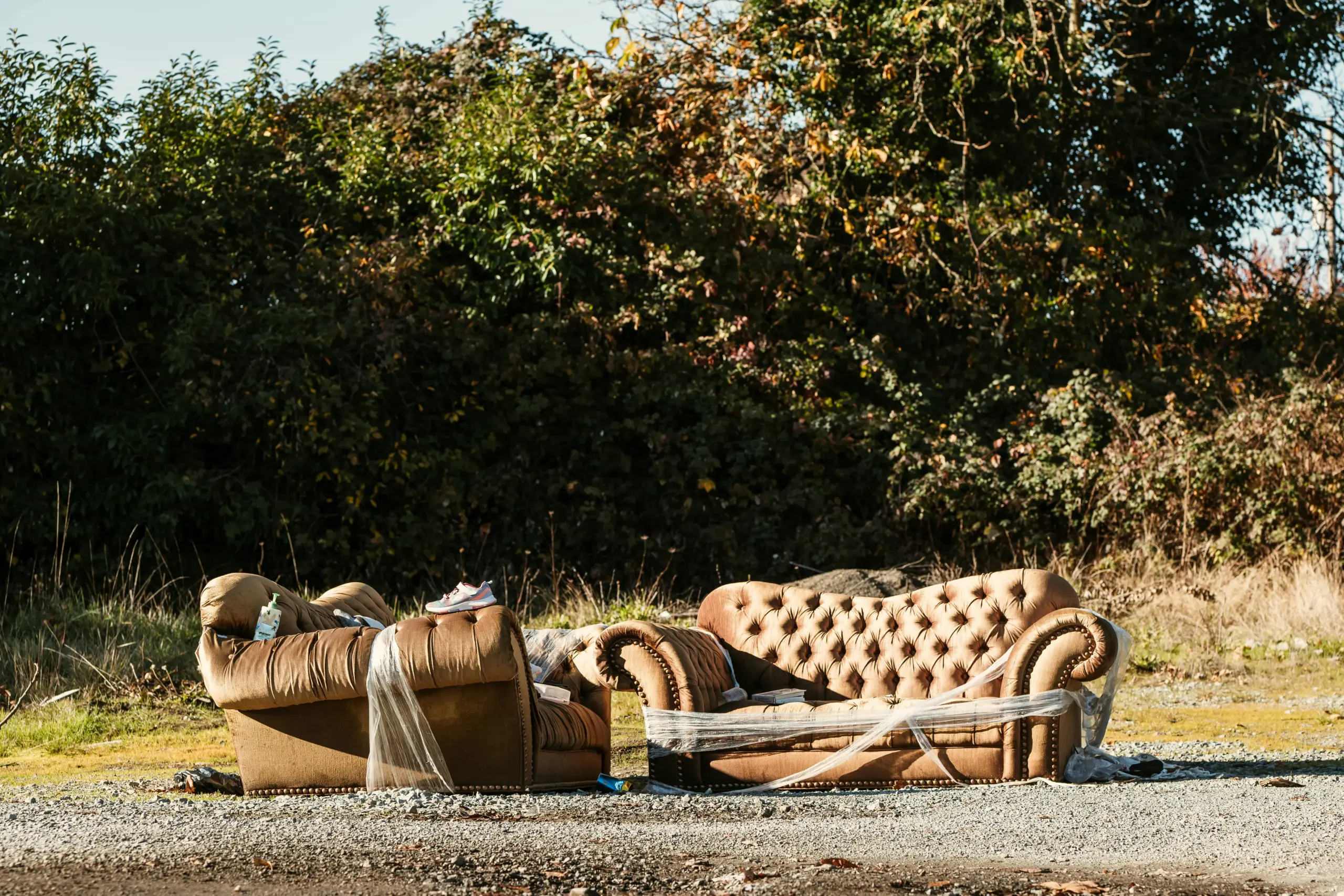
Fast furniture has become one of the defining products of modern living. You see it everywhere: the flat packed bookshelf ordered during a late night scroll, the trendy coffee table that looks perfect online, the affordable desk bought for a temporary apartment that somehow never survives the next move.
Realistically, it solves real problems. Furniture is expensive and rent is rising. People move more often than they used to. Many are trying to make small spaces feel comfortable without spending thousands of dollars.
But something else is happening beneath all that convenience.
Homes are increasingly filled with furniture designed to last only a few years, sometimes less. And when these pieces break, chip, peel, or wobble beyond repair, they often end up in landfills. The result is a growing wave of furniture waste that reflects something much bigger than interior design trends. It reflects a culture that has normalized short term ownership and constant replacement.
The issue is not that people want affordable furniture. The issue is that much of today’s furniture system is built around disposability rather than durability.
And over time, that changes both our environment and our relationship with the things we live with every day.
One changes conditions on the ground in five countries. The other works to change the rules worldwide. Here is how they compare. Disclosure: This comparison…
One deploys 63,000 people. The other deploys engineered systems. Same ocean. Different theory of change. Disclosure: This comparison is published by Plastic Bank. Our methodology…
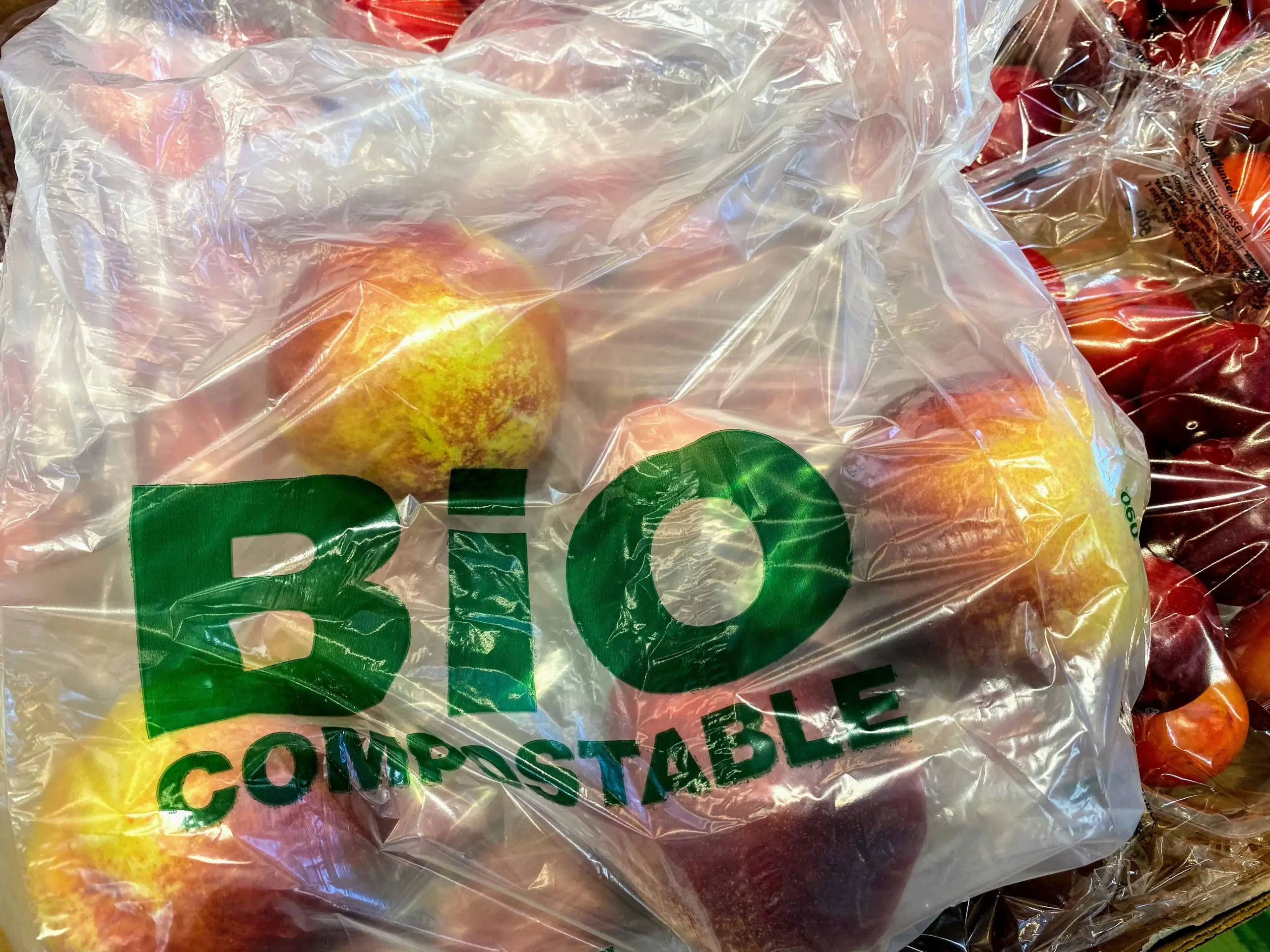
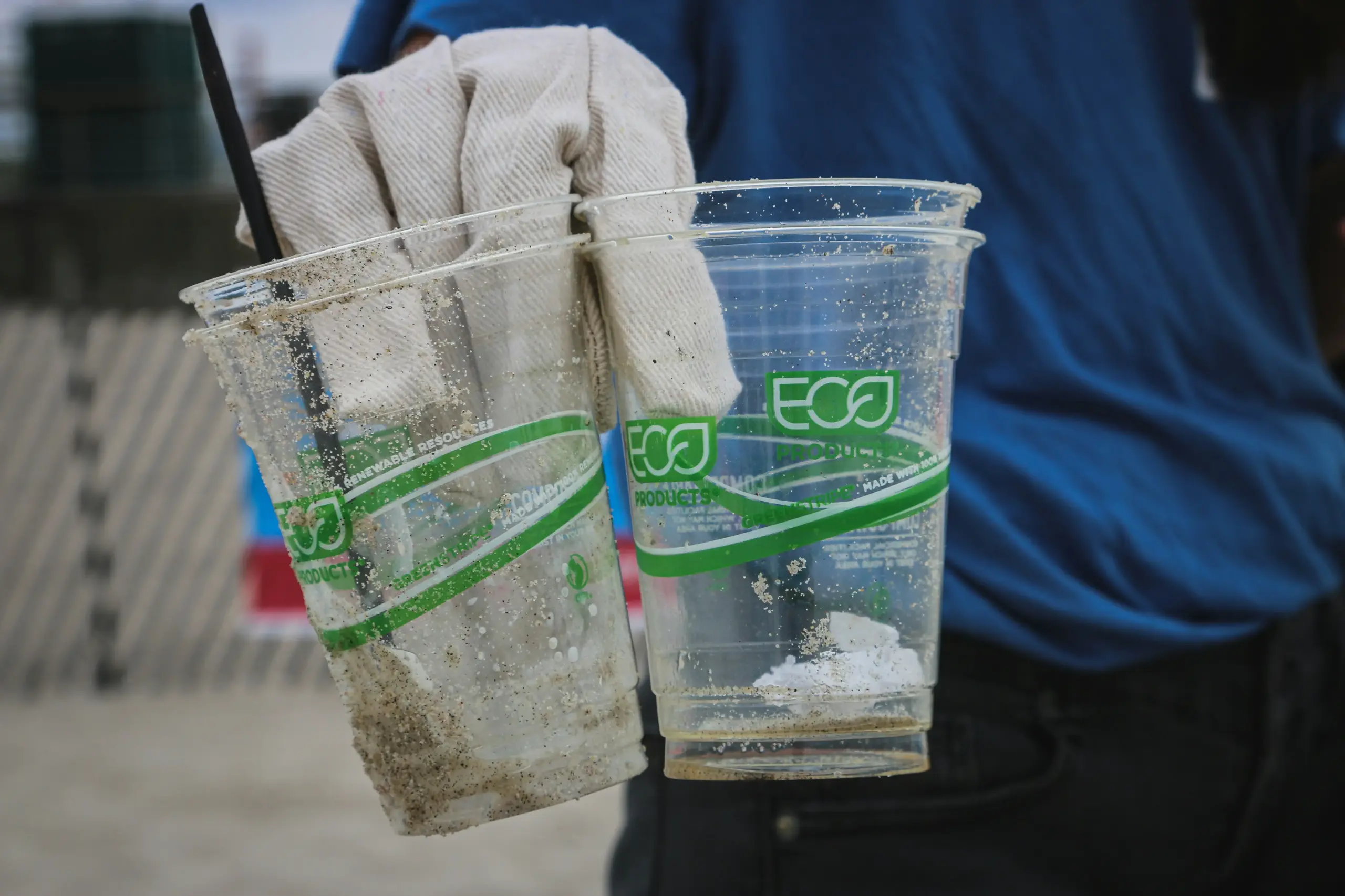
Bioplastics sound like the kind of solution everyone’s been waiting for.
They’re plant-based, compostable, and easy to market. On paper, they tick all the right boxes.
But once you step outside the packaging lab and into the real world, things start to unravel. Inside the actual waste systems, what matters isn’t what the material is designed to do. It’s what actually happens after use.
Right now, that’s where bioplastics run into trouble.
For years, sustainability communication has been defined by one tension: say too much, and risk greenwashing. Say too little, and risk irrelevance.
Many brands chose the safer route by greenhushing,1 simply keeping silent. They softened claims, delayed reporting, or avoided the conversation altogether. But in trying to avoid getting it wrong, they created a different problem.
When credible brands go quiet, less credible ones fill the gap.
Greenshouting offers a better path forward. It recognizes that overclaiming erodes trust, but so does under-communicating. The goal is to show up with clarity, evidence, and accountability.2
Sustainability is everywhere. It's on product labels, in advertisements, and woven into brand storytelling. Words like "eco-friendly," "green," and "responsible" have become part of everyday marketing language. But while sustainability messaging is growing, trust is not.
Consumers are starting to ask better questions. Is this product actually better for the environment? Is this brand doing real work, or just saying the right things?
The truth is, many sustainability claims are hard to verify. They are often wrapped in vague language or presented without evidence. This is where greenwashing comes in and why understanding it matters.
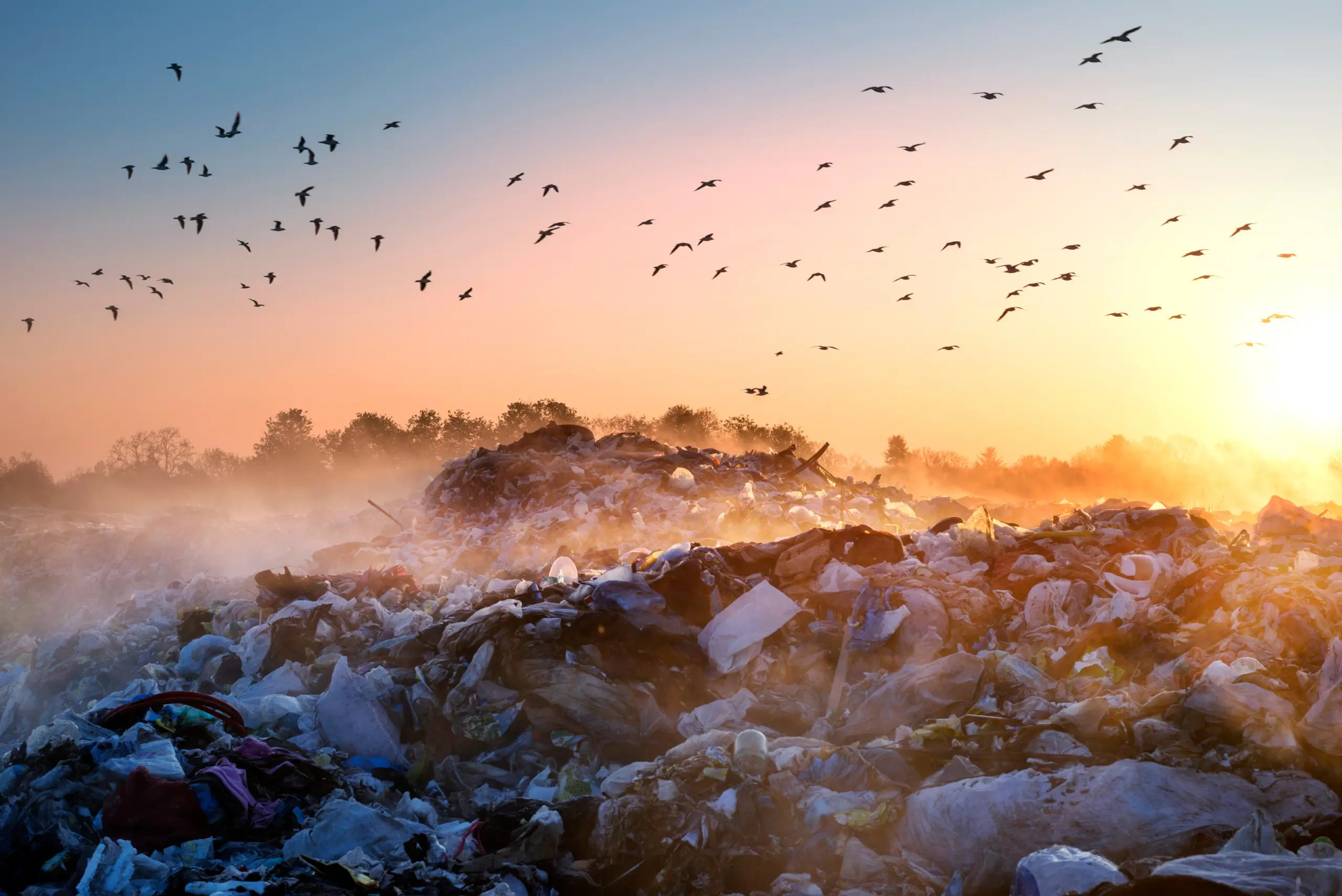
The smoke rising from the Navotas landfill wasn’t just another environmental incident.
As the third landfill catastrophe following the garbage landslide in Cebu City and the landfill collapse in Rizal, it is the latest signal telling us that the systems we rely on to manage waste are under pressure.
Extended producer responsibility (EPR) programs are quickly becoming one of the most powerful policy tools shaping how businesses design, package, and take responsibility for their products. From Europe to Asia, governments are shifting the burden of waste management from municipalities to producers.
Most people think living a zero-waste lifestyle is expensive or inconvenient.
But in reality, the opposite is true.
Reducing waste at home is one of the simplest ways to cut everyday expenses. From the food you throw away to the products you repeatedly repurchase, waste often represents money you’ve already earned then lost.
The good news? Small changes can quickly add up to meaningful savings.
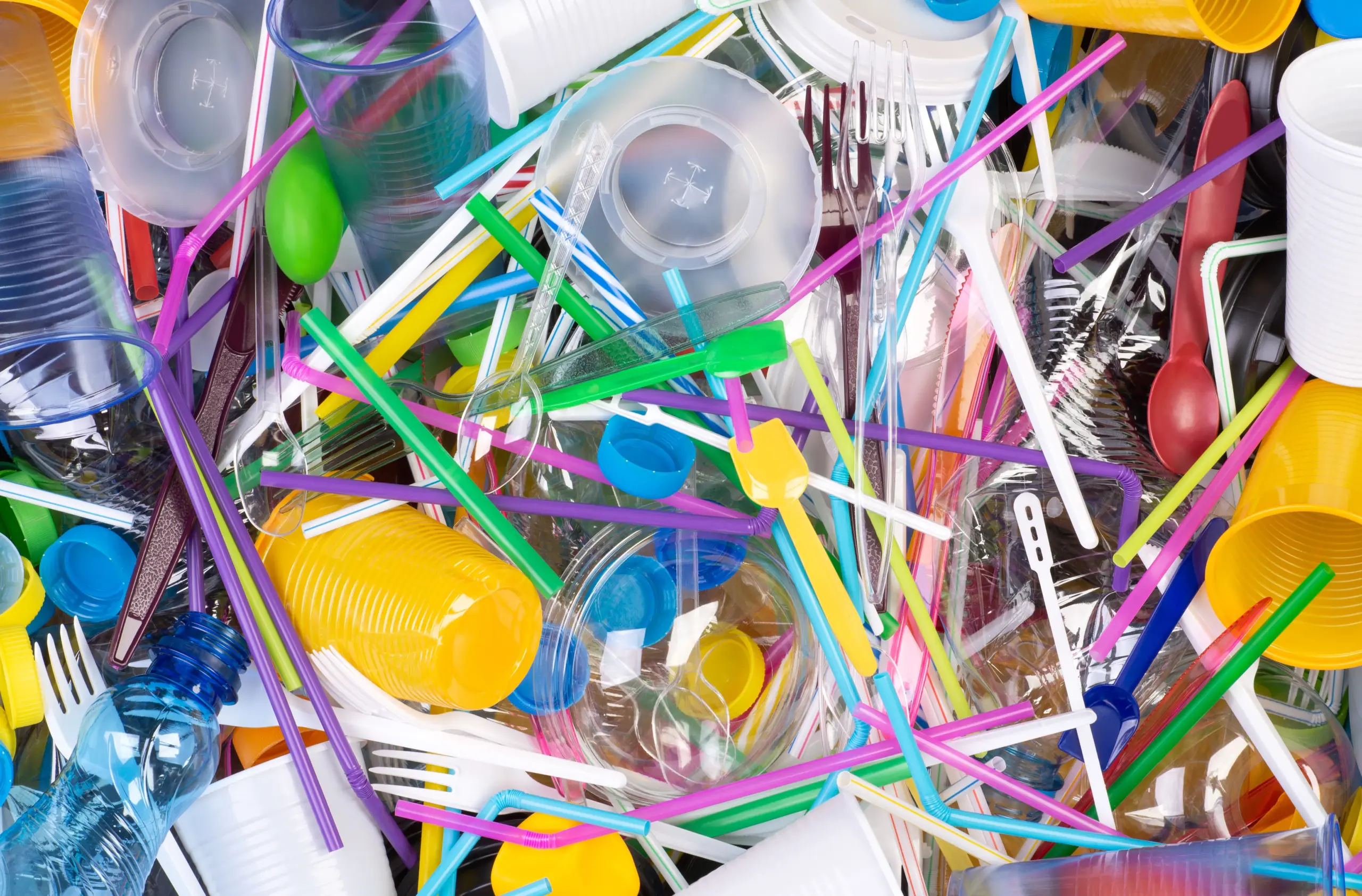
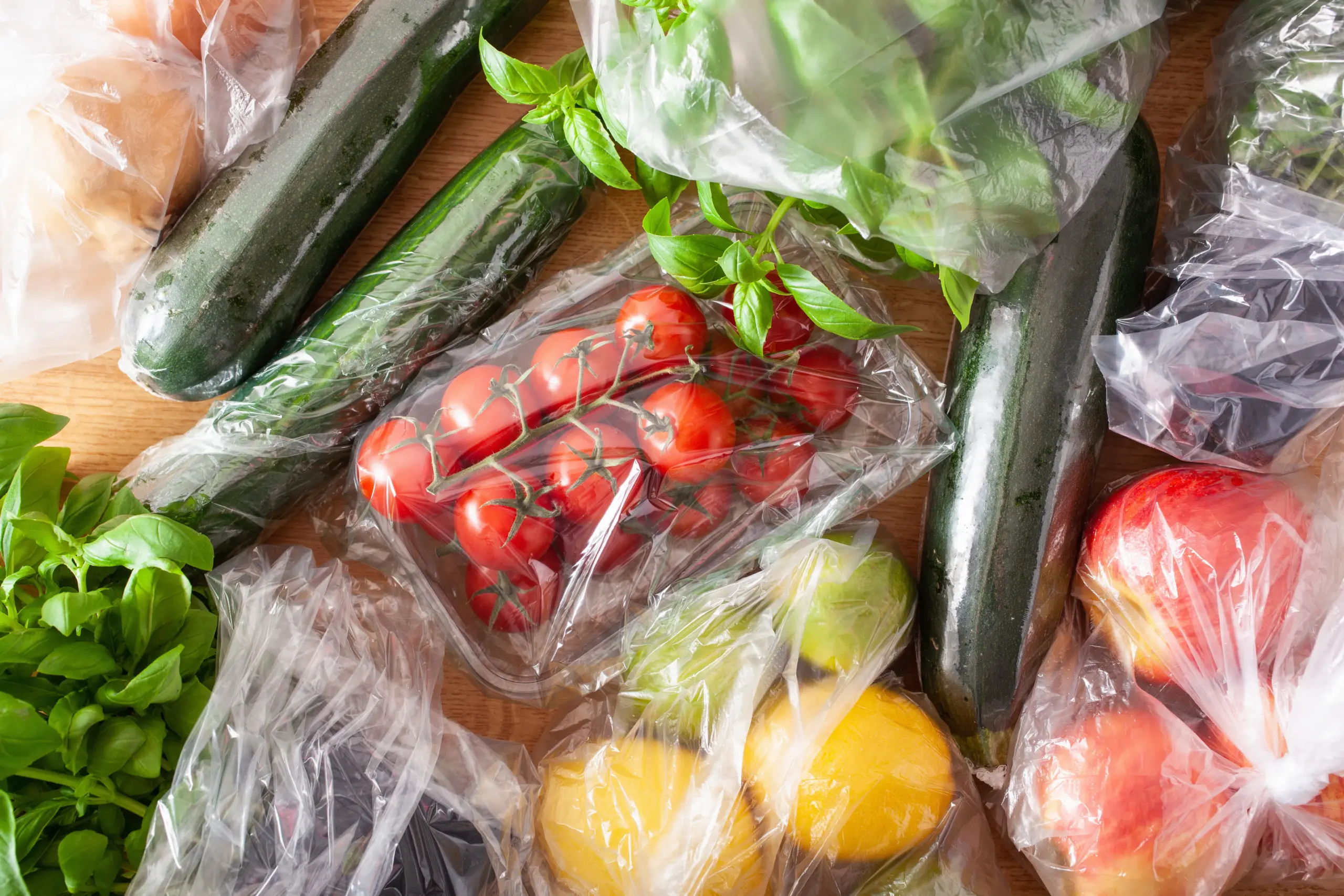
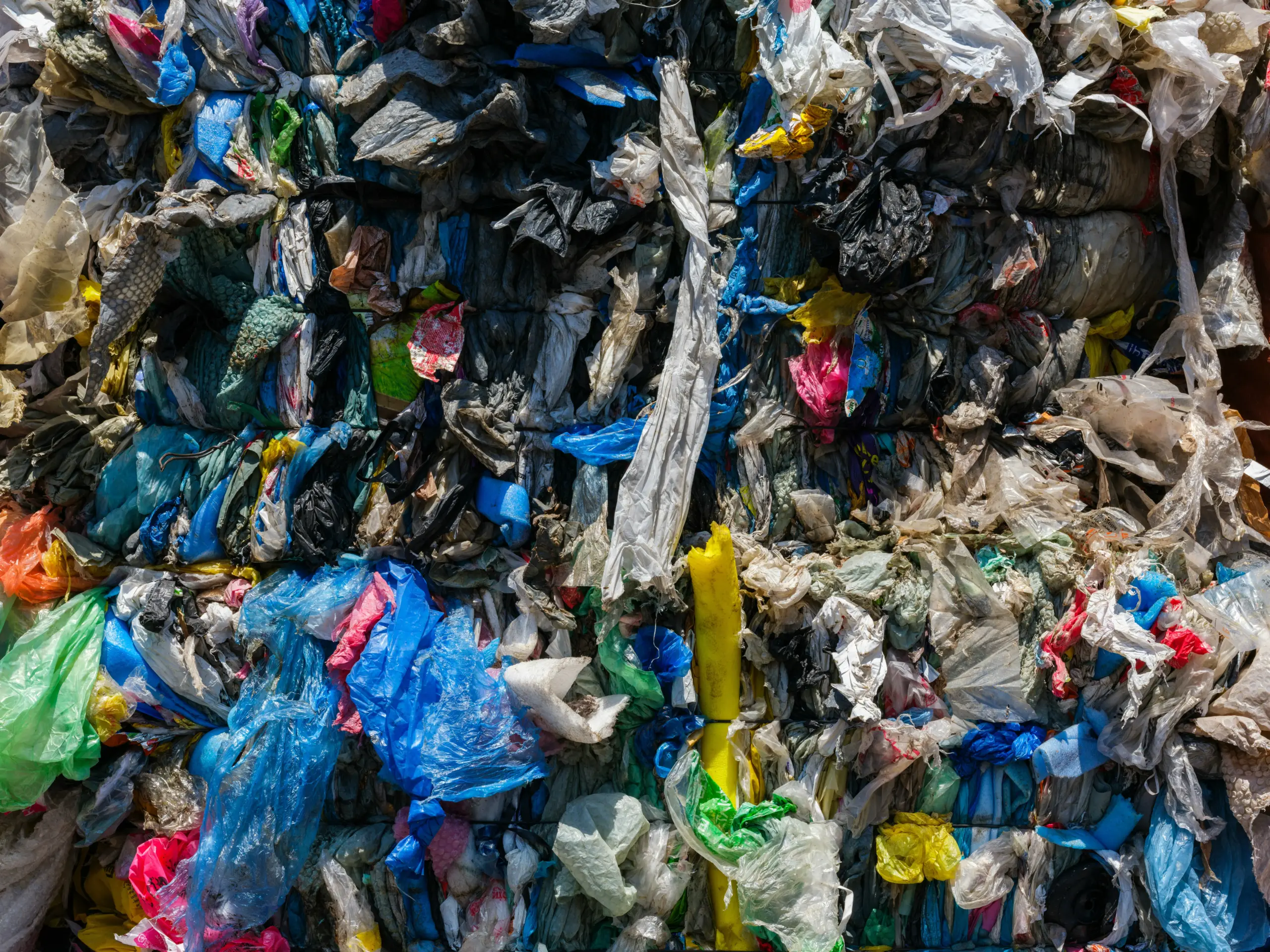
Walk through any neighborhood, market, or shoreline, and you will see it. Plastic is everywhere. It’s not because people do not care, but because plastic has become part of everyday life. From sachets to bottles to food containers, it is built into how products are designed, sold, and consumed.
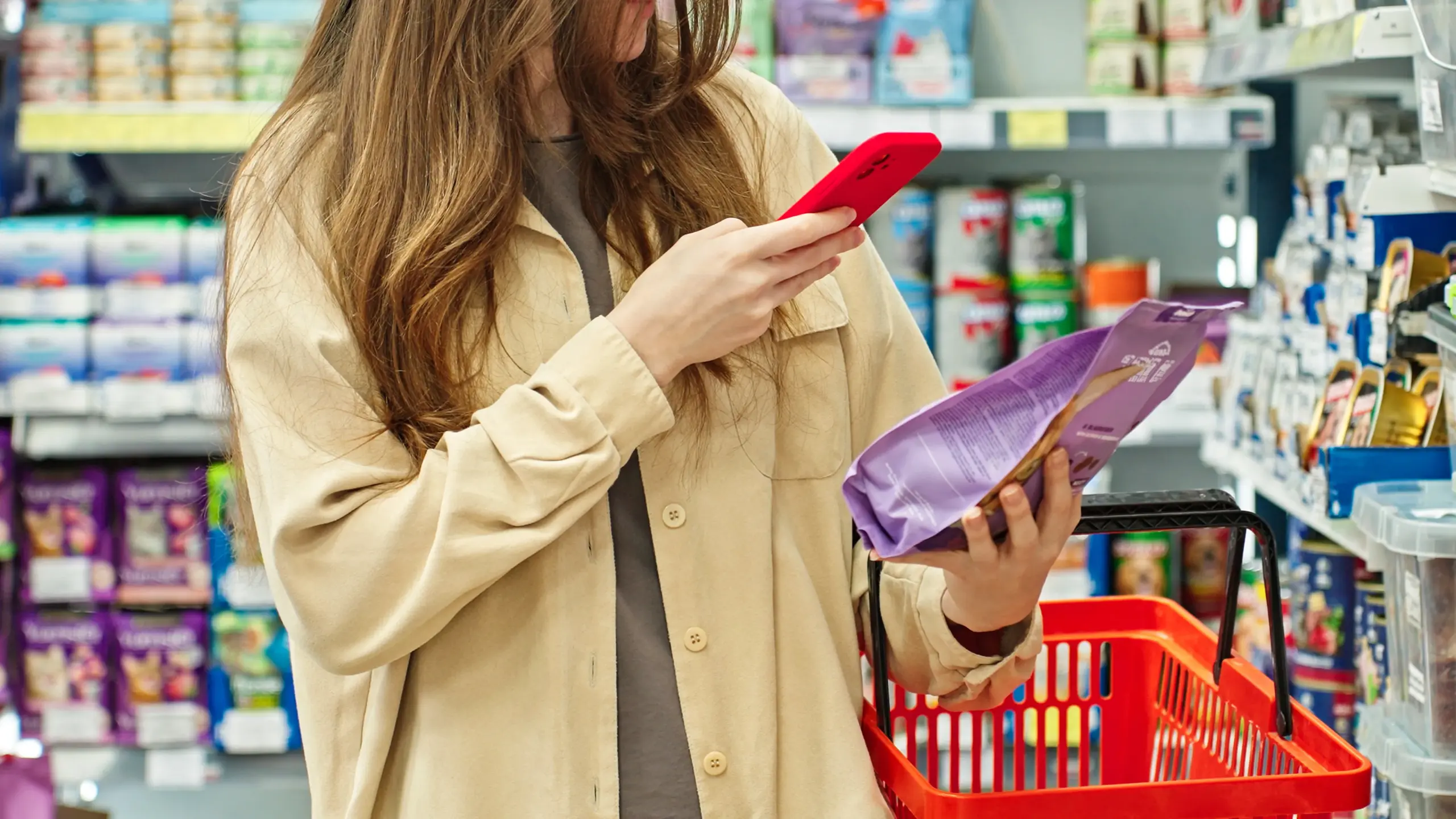
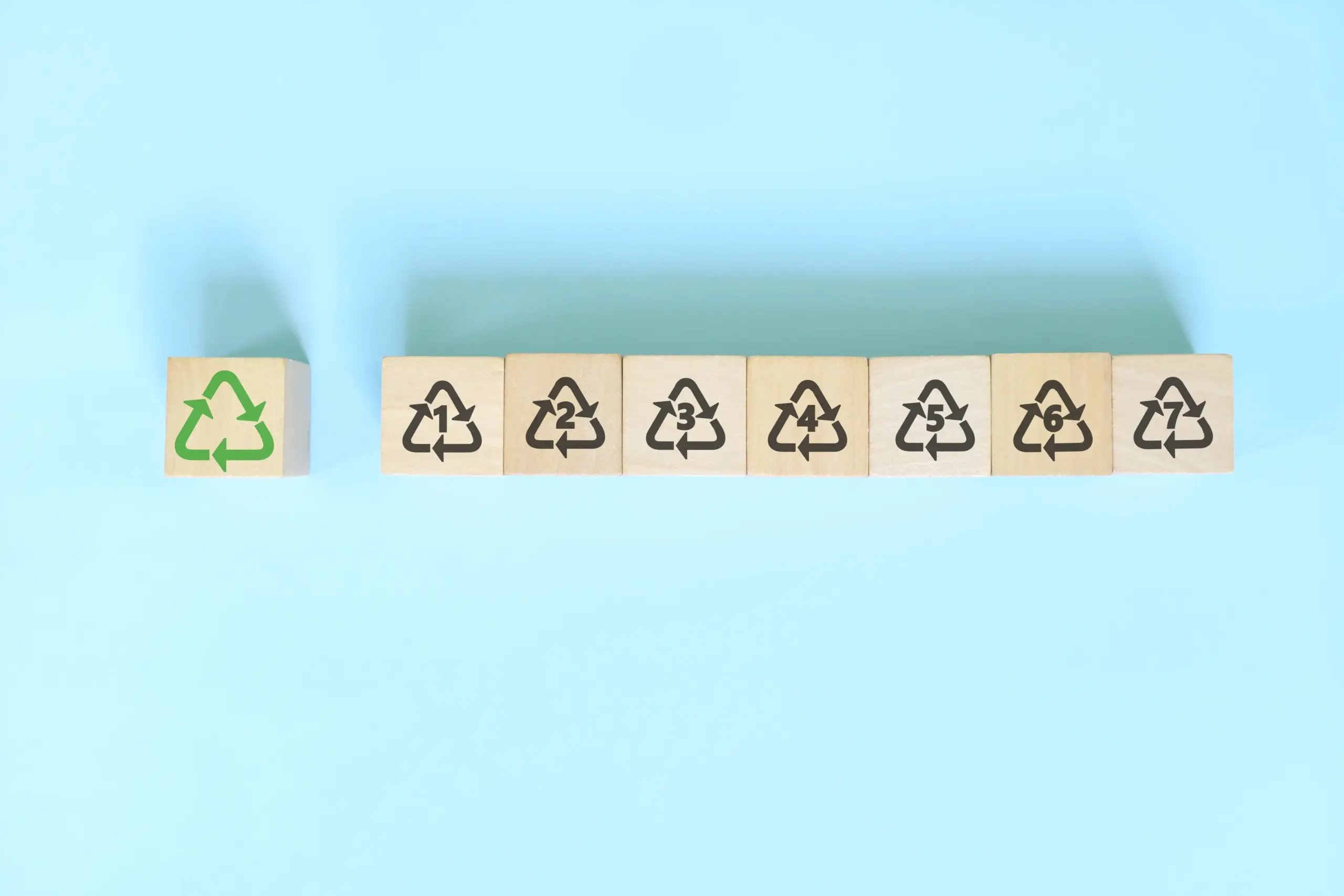
Most people assume that if a plastic item has a recycling symbol, it will eventually be recycled.
But in reality, not all plastics are recyclable in practice. And more importantly, not all plastics are actually collected and processed.
Globally, only about 9% of plastic waste has ever been recycled.
Understanding which plastics are recyclable and how to identify them is the first step toward reducing plastic waste and meeting sustainability goals, especially for companies navigating Extended Producer Responsibility (EPR) in the Philippines.1
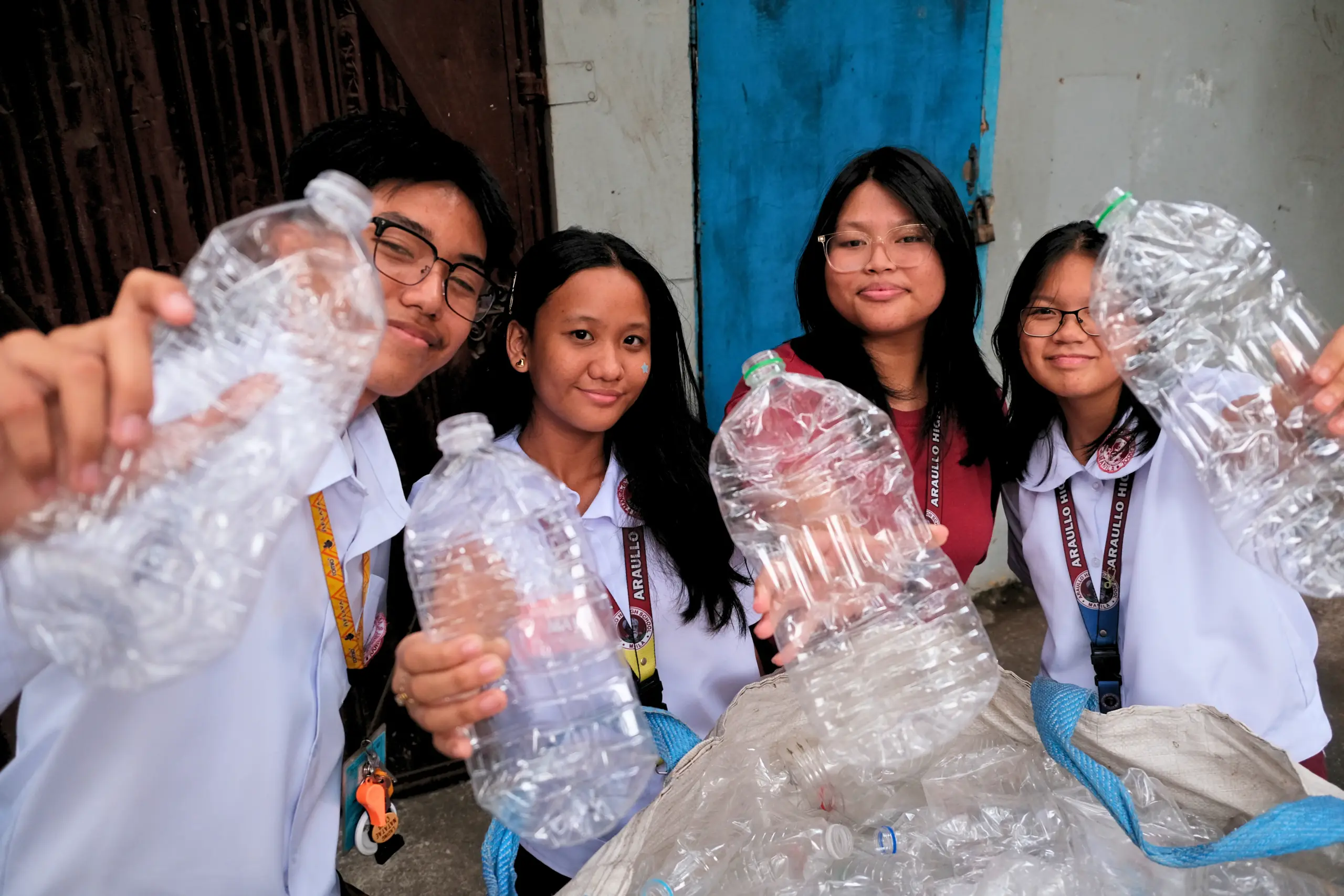
Plastic waste is one of the most visible environmental challenges of our time. Schools are uniquely positioned to lead the solution. From cafeterias to classrooms, daily school operations generate significant amounts of plastic waste, often without intention or awareness.
Understanding how schools can reduce plastic waste is not just about cutting down on trash. It is about shaping habits, influencing communities, and empowering the next generation to take action.
In a world where buying something new is only a click away, many purchases happen almost mindlessly. The result is overflowing closets, short-lived products, and a growing environmental footprint. That is why it is becoming increasingly important to have a mindful shopping checklist before making a purchase.




 Plastic Pollution and Recycling




 Plastic Pollution and Recycling
 Plastic Pollution and Recycling
 Plastic Pollution and Recycling
 Plastic Pollution and Recycling
 Plastic Pollution and Recycling
 Plastic Pollution and Recycling
 Plastic Pollution and Recycling
 Plastic Pollution and Recycling
 Plastic Pollution and Recycling
 Plastic Pollution and Recycling
 Plastic Pollution and Recycling
 Plastic Pollution and Recycling
 Plastic Pollution and Recycling
 Plastic Pollution and Recycling
 Plastic Pollution and Recycling
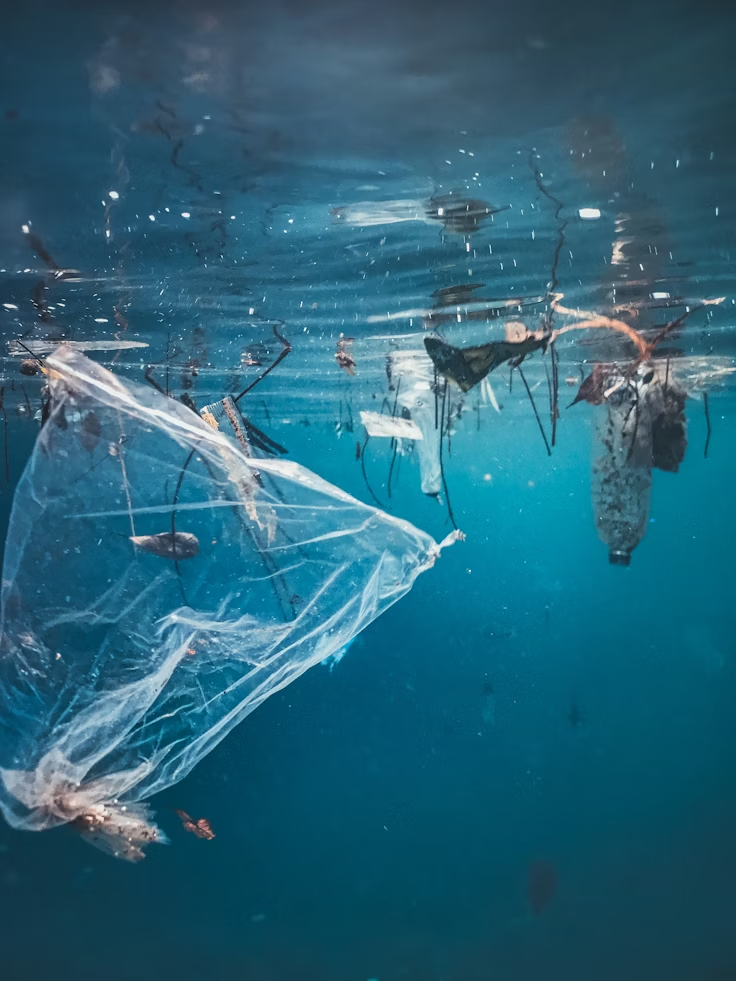 Comparison Guide
 Comparison Guide
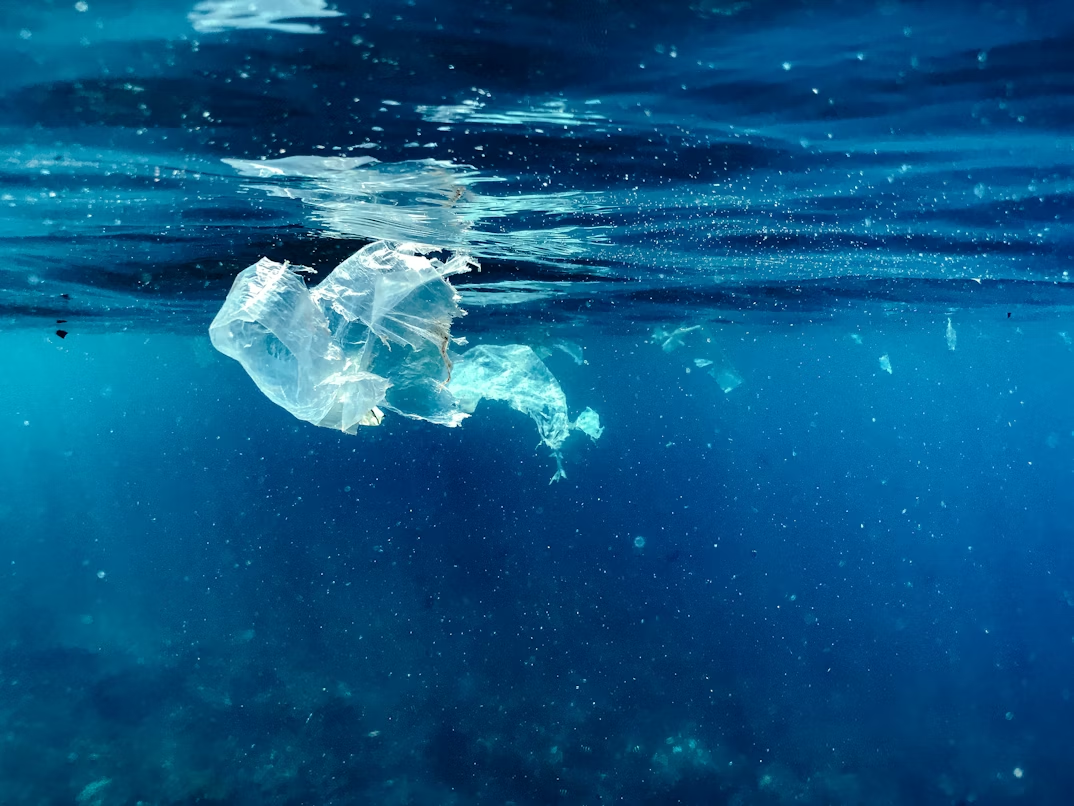 Comparison Guide
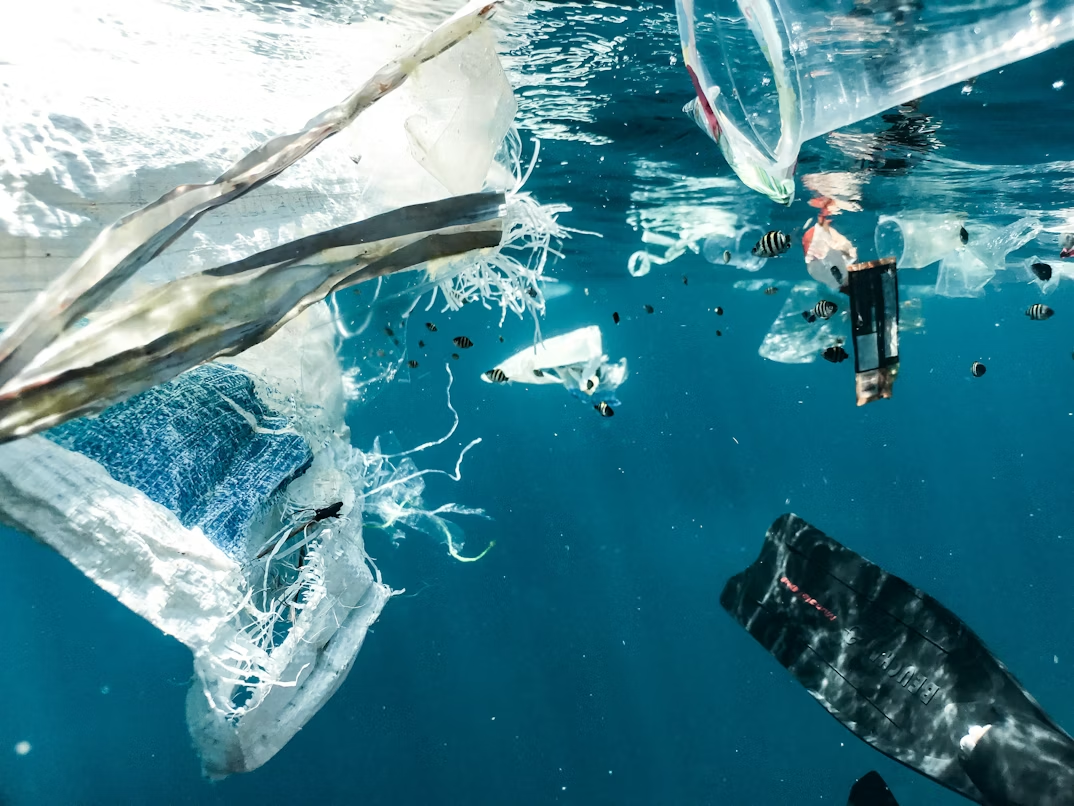 Comparison Guide
 Plastic Pollution and Recycling
 Plastic Pollution and Recycling
 Traceability and Circular Economy
 News
News
 Plastic Pollution and Recycling
 Plastic Pollution and Recycling
 Plastic Pollution and Recycling
 Plastic Pollution and Recycling